
Drinking while skiing or snowboarding significantly increases the risk of accidents, injuries, and poor decision‑making on the mountain. Although après‑ski is a beloved part of ski culture, it was originally meant for after the last run—not during the day when you’re still on the slopes. As resorts expand their party scenes and alcohol becomes more visible on the mountain, it’s important to understand how drinking affects judgment, coordination, and safety at high altitude.
What Après‑Ski Really Means
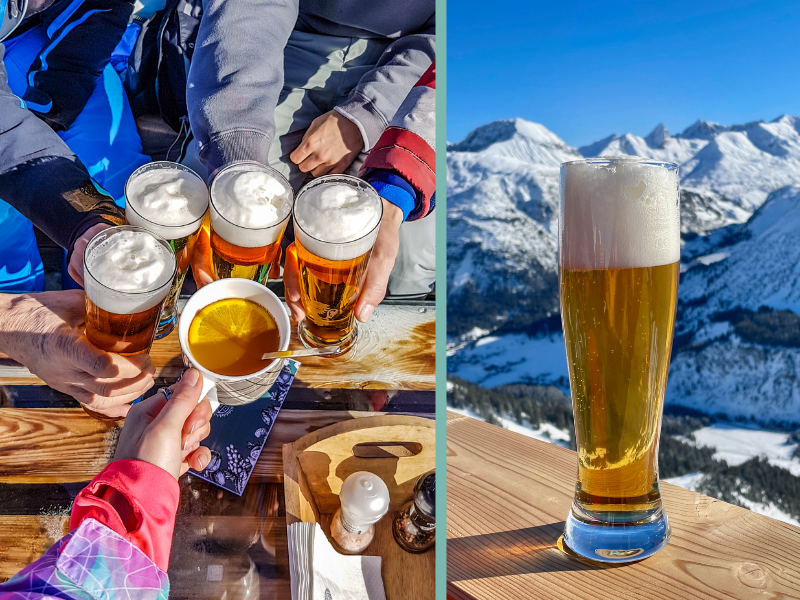
In French, après means “after” or “following,” and après‑ski traditionally refers to relaxing and celebrating after skiing. The custom has deep roots in European ski culture, where people gather for drinks, music, and socializing once they’re done for the day.
In recent years, ski resorts in the U.S. and Europe have amplified the trend with DJs, branded events, and “après all day” marketing. The line between celebrating after skiing and drinking while skiing has blurred—and that shift comes with real risks.
A Real Example of How Alcohol Impairs Judgment on the Slopes
At a bar halfway down a run at Bear Mountain Resort, I met a pair of twin sisters who had been drinking. After two drinks together, we decided to ride down and grab tacos in town. But as we geared up, it became clear they were both drunk—and struggling.
One sister tried to force her ski boot into bindings that didn’t fit. She had accidentally grabbed someone else’s skis from the rack and was convinced they were hers. The real owner rushed over, understandably upset, and I stepped in to help sort out the confusion.
Both sisters were intermediate skiers who could normally handle the blue run below us. But in that moment, their judgment, coordination, and awareness were clearly impaired. I suggested they stay at the bar, drink water, and eat before attempting to ski again.
Later, driving home, I passed a truck on its side—windows shattered, beer cans scattered across the road. Emergency responders were already gone, but the scene was a stark reminder of how quickly alcohol and mountain environments can turn dangerous.
Why Drinking While Skiing Is Dangerous
Alcohol affects the same skills that keep you safe on the mountain:
- Reaction time slows, making it harder to avoid obstacles or other skiers.
- Coordination decreases, affecting balance, turning, and stopping.
- Judgment becomes impaired, leading to unnecessary risks.
- Vision can blur, especially in bright snow conditions.
According to the American Alpine Institute, 43% of accidents on ski runs involve alcohol, meaning drinking nearly doubles your chance of getting injured.
Alcohol also reduces the amount of time you spend actually skiing. A study by Opinium Research found that people who drank at the resort spent 53% more time off the slopes than those who didn’t—cutting their ski day in half and wasting expensive lift tickets.

How Alcohol Hits Harder at High Altitude
Drinking at altitude affects your body differently than drinking at sea level:
- Lower oxygen levels can make you feel drunker faster.
- Dehydration happens more quickly in cold, dry mountain air.
- Body temperature drops because alcohol causes heat loss and reduces your ability to sense the cold.
- Fatigue increases, especially when combined with physical exertion.
This is why some people drink a single beer at lunch and feel it more strongly than expected—and why the shirtless, beer‑in‑hand snowboarder stereotype exists.
Why Après‑Ski Is Getting More Popular
Resorts across the U.S. and Europe are investing heavily in après‑ski experiences:
- Aspen Snowmass hosts daily parties.
- Mammoth Mountain brings in weekly DJs.
- Austrian and French resorts have long embraced all‑day après culture.
The atmosphere is fun—music, mountain views, and a crowd that loves to shred. But the growing emphasis on drinking can unintentionally encourage people to mix alcohol with skiing, even though the two don’t go well together.
Reasons Not to Drink While Skiing or Snowboarding
- Alcohol is involved in 43% of ski‑run accidents.
- Skiers who drink spend 53% more time off the slopes, losing valuable ski time.
- Alcohol slows reaction time, coordination, and concentration.
- High altitude makes you feel drunker faster.
- Alcohol causes dehydration, which is already a risk during winter sports.
- Driving mountain roads while impaired is extremely dangerous.
- Drinking wastes the money you spent on lift tickets, rentals, and travel.
How to Stay Safe and Still Enjoy Après‑Ski
- Save drinks for after your last run of the day
- Eat and hydrate before drinking
- Keep an eye on friends who may be impaired
- Know your limits, especially at altitude
- Plan transportation before you start drinking
Après‑ski is meant to be a celebration—not a hazard.


Leave a Reply